
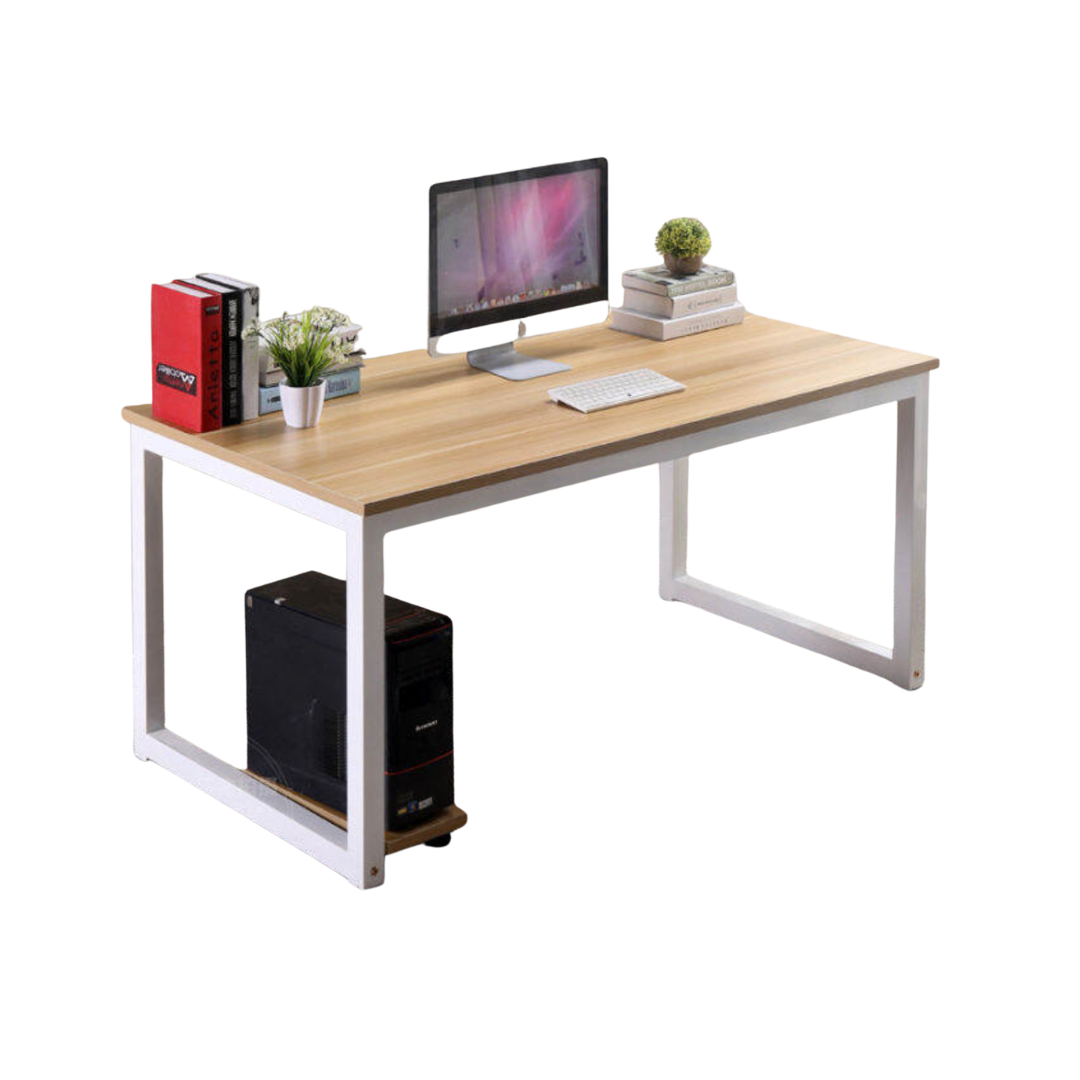
A computer table in Cebu blends functionality with local sensibilities, adapting to tropical climate, space constraints, and aesthetic preferences. Typically constructed with moisture-resistant laminated wood, MDF, or engineered boards, paired with powder-coated steel frames or aluminum legs to resist corrosion in Cebu’s humid environment. The top is sized just right for monitors, laptops, keyboards, plus a little extra room for notes, accessories, or a small plant.
Many Cebu sellers include practical features such as a sliding keyboard tray, cable management holes, raised monitor riser shelves, or lower compartments for the CPU tower. Some designs even integrate side shelves or compact storage to maximize space in smaller rooms. Because many Cebu homes and offices have limited floor area, the width of a computer table is often kept modest (around 100–120 cm), while depth is optimized (around 50–60 cm) so the user can still move comfortably.
Cebu furniture businesses often allow custom finishes (dark wood, ash, rustic, black) and optional add-ons like caster wheels or detachable side trays. Quality craftsmanship is emphasized, especially in edge banding (to prevent peeling from humidity) and sturdy joins. In the local market, computer tables are viewed not just as utility workstations but also as pieces that reflect taste—clean lines, neat cable routing, and balance between minimalism and usability. Overall, a computer table in Cebu is designed to be robust, space-smart, and suited to daily digital work in tropical surroundings.
Reviews
There are no reviews yet.